What Max Material Thicknesses can a Die-cutting Press Cut?
Die-cutting presses are incredibly versatile machines that can precisely cut a wide array of materials. The materials they can handle, and their maximum thicknesses, largely depend on the type of die-cutting press (like flatbed, rotary, or hydraulic) and the specific cutting dies used.
Here’s a general overview of materials these presses effectively cut:
Paper and Cardboard: From delicate paper to robust corrugated cardboard and chipboard.
Fabric: A variety of textiles including cotton, denim, felt, leather, cork, canvas, and twill.
Plastics: Thin films, sheets, vinyl, and certain rigid plastics.
Foam: Both soft craft foam and denser industrial foams.
Rubber: Natural and synthetic types, often for gaskets and seals.
Adhesives and Labels: Self-adhesive materials, tapes, and labels.
Gaskets and Composites: Materials used for sealing and insulation, including multi-layered composites.
Thin Metals: Metal foils and very thin sheets of specific metals.
Wood Veneer: Thin sheets used for decorative or functional purposes.
Maximum Thicknesses by Press Type
The maximum thickness a die-cutting press can handle varies significantly by its type:
Rotary Die-Cutting: Best for thinner, flexible materials, often in roll form. Maximum thicknesses are typically around 1/8 inch (3.175 mm), though some sources suggest 0.015 inches (0.38 mm) for optimal performance. This method excels in high-volume production of materials like labels and thin films.
Flatbed Die-Cutting: More versatile for thicker, rigid materials. These presses can often cut materials up to 0.5 inches (12.7 mm) thick, with some industrial models handling even greater thicknesses depending on their cutting force (tonnage).
Hydraulic Die-Cutting Presses: Known for their high cutting force, these presses can handle substantially thicker materials. Some models can cut materials up to 4.3 inches (110 mm) thick or more, depending on the specific machine and material density.
Factors Affecting Thickness and Cut Quality
Several factors influence what a die-cutting press can cut and how well it cuts:
Type of Die:Steel-rule dies are common, but specialized dies are necessary for very thick or abrasive materials.
Cutting Force (Tonnage): Presses with higher tonnage apply more pressure, enabling them to cut denser and thicker materials.
Material Density and Hardness: Denser and harder materials require more cutting force and generally limit the maximum thickness.
Die Sharpness: Dull dies will always struggle to cut cleanly, regardless of material thickness or press power.
Cutting Pad/Anvil: The condition of the cutting surface beneath the material directly impacts the cut’s cleanliness and consistency.
Ultimately, the best way to confirm if a specific material and thickness can be die-cut is to check the particular die-cutting press’s specifications and the dies being used, or to perform test cuts.
Gerson Machinery: Capabilities and Materials
Gerson Machinery is a notable manufacturer of die-cutting presses. While exact maximum thicknesses for every material aren’t always universally published for all models, we can understand their capabilities based on their machine types and general industry standards.
Gerson offers a range of die-cutting presses tailored for diverse applications and materials:
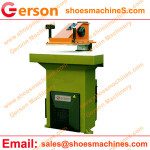
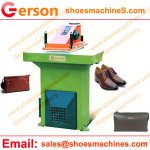
GRA Clicker Press: These are typically swing beam presses, ideal for cutting small to medium pieces of non-metal materials.
Common Materials: Leather, plastic, rubber, fabric, and other soft to semi-rigid materials.
Thickness: Clicker presses generally handle moderate thicknesses, often up to 7mm (0.27 inches) for desktop versions, and thicker materials in larger industrial models. They are perfect for materials used in shoe manufacturing, garments, and small component production.
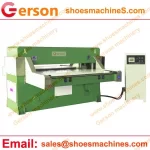
GRB Cutting Press: Likely referring to their fixed-head or full-head presses, these offer higher cutting power.
Common Materials: A broader range including textiles, felts, foams, leather, insole materials, rubber, and foils. They are designed for general-purpose cutting of soft to semi-rigid sheet goods.
Thickness: Gerson lists models with cutting forces from 25 to 500 tons, indicating a significant range of material thicknesses. For example, a 100-ton press can typically cut materials up to 4.3 inches (110 mm) thick, depending on material density.
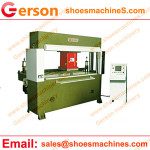
GRM Movable Press (Traveling Head Press): These presses feature a moving cutting head for larger work areas and efficient cutting of wide rolls or sheets.
Common Materials: Similar to the GRB series, they’re versatile for various non-metal materials, especially where large pieces or continuous cutting is needed, such as textiles, composites, gaskets, and packaging.
Thickness: Their traveling head presses have cutting power from 25 to 100 tons, suggesting capabilities for substantial thicknesses, similar to other industrial hydraulic presses in this tonnage range, often up to several inches depending on material compressibility.
GRF Hydraulic Press: Gerson also manufactures general hydraulic presses, which are renowned for their extremely high cutting and forming force.
Common Materials: These presses are highly versatile and can cut, form, and even stamp metals in addition to a wide array of non-metallic materials like dense plastics, thicker rubber, and composites.
Thickness: The thickness capability of these hydraulic presses directly correlates with their immense tonnage. Gerson’s GRF series can range up to 10,000 tons, making them suitable for cutting and forming very thick and dense materials, including various types of metal, potentially several inches or more, depending on the specific application and die design.
General Considerations for Gerson Machinery
Cutting Force (Tonnage): Gerson provides specific tonnage ratings (e.g., 25T, 50T, 100T, up to 10,000T). Higher tonnage machines are built for thicker and denser materials, including metals.
Die Type: The type of cutting die (e.g., steel rule die, solid steel die, metal stamping dies) is crucial; more robust dies are needed for thicker, harder materials and metals.
Material Density: The material’s density and hardness are paramount. A press might cut a certain thickness of foam but only a fraction of that thickness in dense plastic or rubber, and even less in metal.
Application: Gerson often targets industries like footwear, automotive, and packaging, but their higher-tonnage hydraulic presses extend their capabilities to heavy-duty industrial applications, including metalworking.
For the most precise information about a Gerson die-cutting press’s material and thickness capabilities, it’s always best to contact Gerson Machinery directly with your specific material and application requirements.
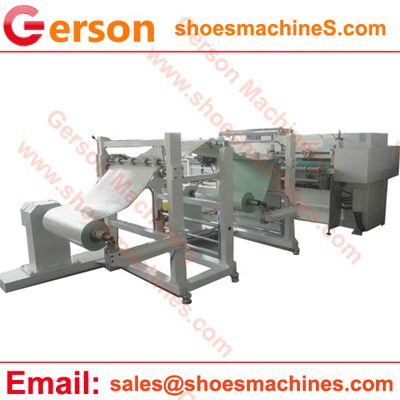
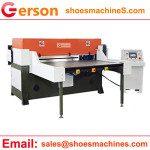
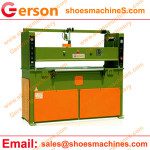
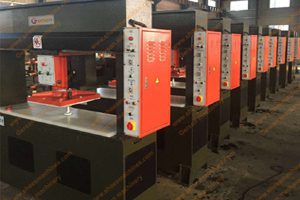
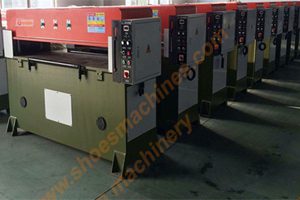
industrial die cut press machinery This die cut press machinery can be used for many industrial production,such as footwear,bag,dress,textile,rubber industry…